Plumbing Leak Repair in Denver, CO
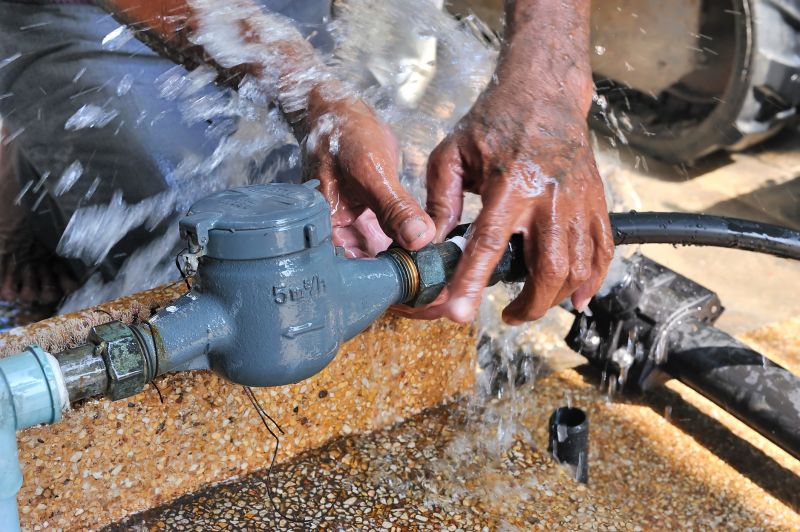
Plumbing leak repair services focus on identifying and fixing leaks in residential plumbing systems, including pipes, fixtures, and appliances. These projects can range from minor drips under sinks to major pipe bursts that cause water damage. Property owners often seek leak repairs to prevent further water wastage, avoid structural damage, and maintain proper water pressure throughout the home. Understanding the location of the leak, the extent of the damage, and the type of plumbing system in place can help homeowners make informed decisions before requesting service.
Before requesting plumbing leak repair, property owners usually want to know how the leak might affect their home and what steps are involved in fixing it. It’s helpful to consider whether the leak is accessible or hidden behind walls or beneath floors, as this can influence the scope of the repair. Homeowners may also inquire about potential disruptions during repairs and the best ways to prevent future leaks, ensuring their plumbing remains reliable and efficient.
Many property owners in Denver, CO look into Plumbing Leak Repair for repairs, replacements, upgrades, and appearance-related improvements.
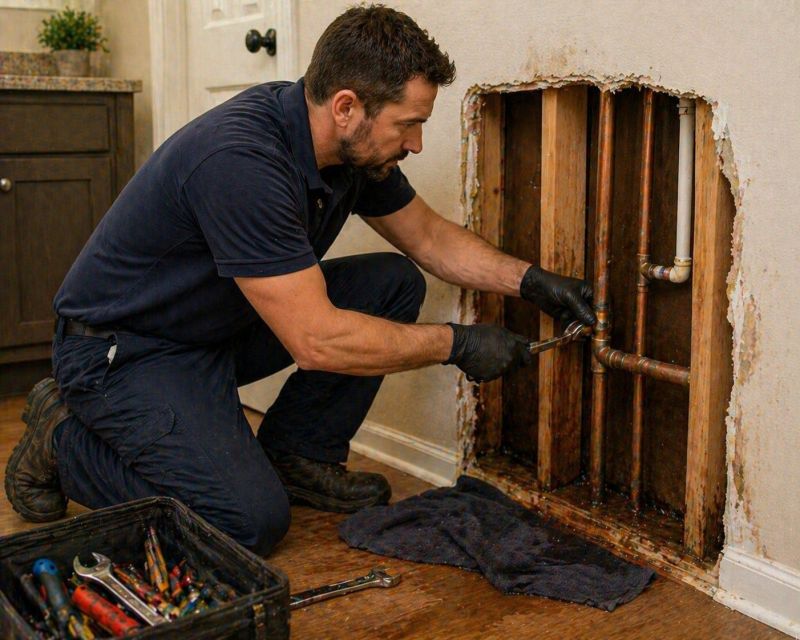
Identifying Leak Sources
Locating hidden leaks in pipes and fixtures to prevent water damage.
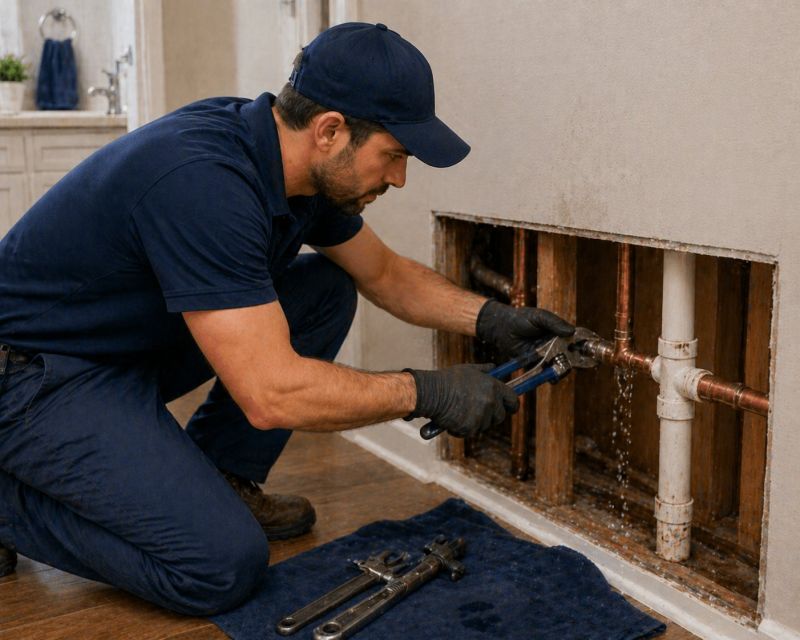
Emergency Leak Repairs
Addressing urgent pipe leaks to minimize property damage and water waste.
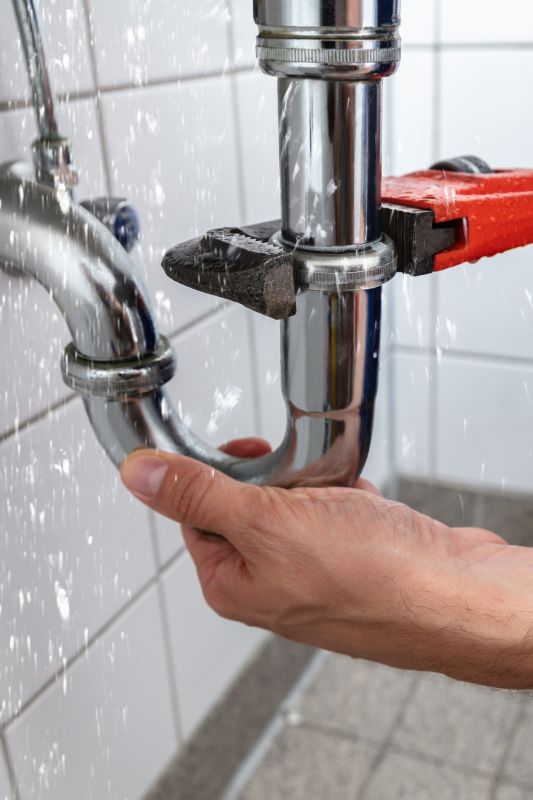
Preventative Maintenance
Scheduling inspections to catch leaks early and extend the lifespan of plumbing systems in denver homes.
Plumbing Leak Repair in Denver, CO
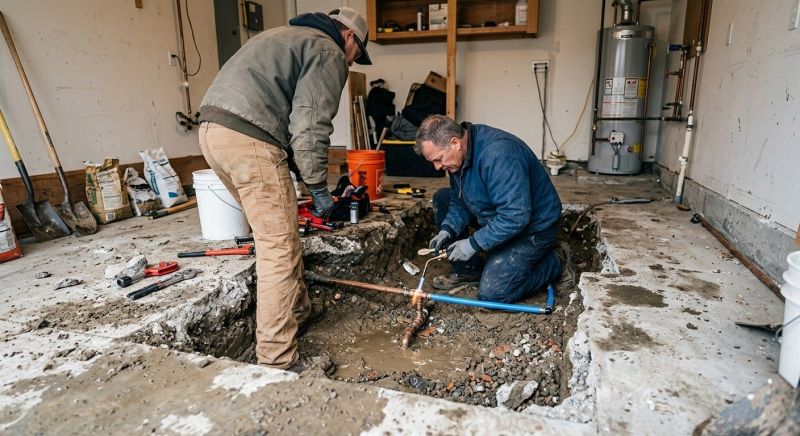
Plumbing leak repair services focus on identifying and fixing leaks in residential plumbing systems, including pipes, fixtures, and appliances. These projects can range from minor drips under sinks to major pipe bursts that cause water damage. Property owners often seek leak repairs to prevent further water wastage, avoid structural damage, and maintain proper water pressure throughout the home. Understanding the location of the leak, the extent of the damage, and the type of plumbing system in place can help homeowners make informed decisions before requesting service.
Before requesting plumbing leak repair, property owners usually want to know how the leak might affect their home and what steps are involved in fixing it. It’s helpful to consider whether the leak is accessible or hidden behind walls or beneath floors, as this can influence the scope of the repair. Homeowners may also inquire about potential disruptions during repairs and the best ways to prevent future leaks, ensuring their plumbing remains reliable and efficient.
Many property owners in Denver, CO look into Plumbing Leak Repair for repairs, replacements, upgrades, and appearance-related improvements.
Common Plumbing Leak Repair Jobs
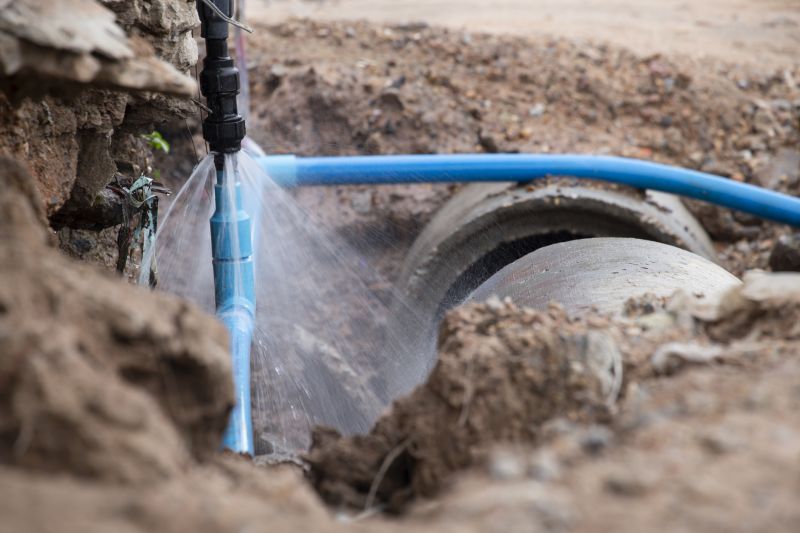
Underground pipe leaks - pinpointing hidden leaks behind walls or beneath floors to prevent further damage.
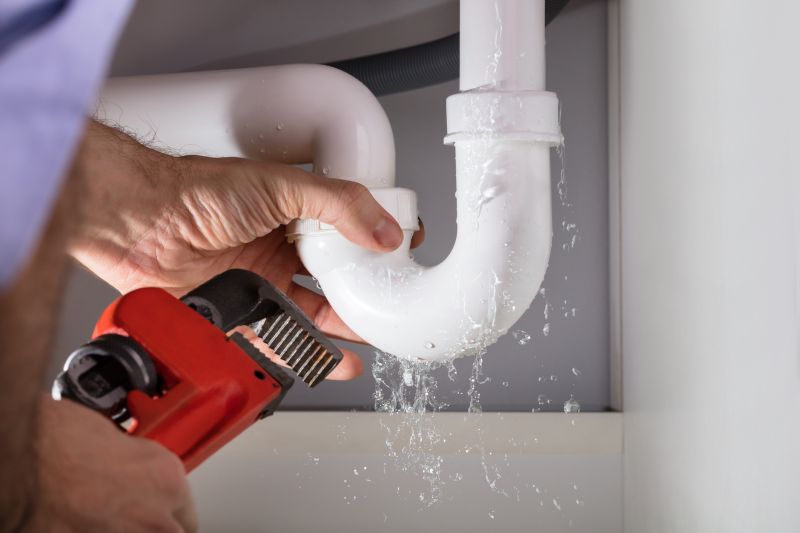
Faucet leaks - repairing dripping or malfunctioning faucets to conserve water and reduce utility bills.
Toilet leaks - fixing running or leaking toilets that can cause water waste and higher bills.
Slab leaks - detecting and repairing leaks beneath concrete slabs to protect property foundations.
Water heater leaks - addressing leaks from water heaters to avoid water damage and equipment failure.
Pipe joint leaks - sealing or replacing faulty pipe connections to prevent water loss and structural issues.

Plumbing Leak Repair Questions
What causes plumbing leaks in homes? Leaks can result from aging pipes, high water pressure, corrosion, or damage from shifting foundations.
How can I tell if I have a leak? Signs include unexplained increases in water bills, damp spots, mold growth, or the sound of running water when fixtures are off.
Are leak repairs disruptive? Repairs are typically straightforward and designed to minimize disturbance to daily routines.
What types of leaks are common to repair? Common repairs involve fixing dripping faucets, leaking supply lines, or damaged pipe sections.
Request Plumbing Leak Repair in Denver, CO
Use the quote form on this page to share the basics of your project and request more information for the type of work you need.